Table of Contents
- Introduction
- Challenges of Scaling IVF Clinics
- Role of IVF Software in Simplifying Operations
- Importance of Centralized Data Systems
- Enhancing Workflow Efficiency with Automation
- Improving Laboratory Performance During Expansion
- Key Benefits of Scaling with IVF Software
- Steps to Scale IVF Clinics Efficiently
- Customer Testimonial
- Operational Comparison Table
- Reducing Operational Complexity Through Integration
- Maintaining Quality While Scaling Operations
- Data-Driven Decision Making for Growth
- Future of Scalable IVF Clinics
- FAQs
- Conclusion
Introduction
IVF Software is essential for clinics aiming to scale operations without increasing complexity. As patient volume grows, managing workflows, data, and coordination becomes challenging. With advanced digital systems, clinics can streamline processes, improve efficiency, and maintain high-quality care while expanding services without adding unnecessary operational burden or inefficiencies.
Challenges of Scaling IVF Clinics
Scaling IVF clinics introduces challenges such as increased patient load, complex workflows, and coordination issues. Without proper systems, clinics struggle with inefficiencies and errors. IVF Software helps overcome these challenges by integrating IVF management software and fertility clinic EMR, ensuring smooth operations and better control over growing clinical processes.
Role of IVF Software in Simplifying Operations
IVF Software simplifies clinic operations by automating repetitive tasks and centralizing data. With IVF management software and fertility clinic EMR, clinics can reduce manual work, improve accuracy, and enhance coordination. This ensures that scaling does not lead to operational chaos but instead results in streamlined and efficient workflows.
Importance of Centralized Data Systems
Centralized data is critical when scaling IVF clinics. IVF Software provides a unified platform for patient treatment tracking and clinical data management. This eliminates duplication, reduces errors, and ensures consistency across departments, helping clinics maintain operational clarity and efficiency even as they expand their services and patient base.
Enhancing Workflow Efficiency with Automation
Automation plays a key role in reducing operational complexity. IVF Software automates scheduling, documentation, and communication processes. By integrating a cycle management tool, clinics can manage treatment timelines effectively, reduce delays, and ensure better coordination between departments, leading to improved efficiency and scalability.
Improving Laboratory Performance During Expansion
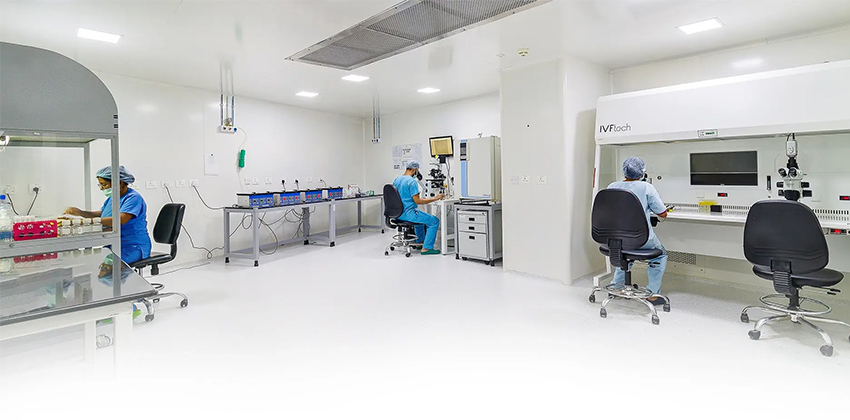
Scaling clinics often increases pressure on laboratory operations. An integrated embryo monitoring system within IVF Software ensures accurate and efficient lab processes. It reduces manual intervention, improves embryo selection, and supports consistent results, allowing clinics to handle higher volumes without compromising quality or operational efficiency.
Key Benefits of Scaling with IVF Software
- Streamlined workflows and reduced manual effort
- Improved patient treatment tracking accuracy
- Enhanced coordination across departments
- Reduced operational errors and delays
- Better scalability without added complexity
These benefits help clinics grow sustainably while maintaining efficiency and quality care.
Steps to Scale IVF Clinics Efficiently
- Implement IVF management software across all departments
- Use fertility clinic EMR for centralized data
- Enable accurate patient treatment tracking
- Integrate embryo monitoring system for lab efficiency
- Use cycle management tool for scheduling optimization
Use cycle management tool for scheduling optimization
Customer Testimonial
“Scaling our clinic was challenging until we adopted IVF Software. With IVF management software and fertility clinic EMR, we streamlined workflows, improved patient treatment tracking, and enhanced lab efficiency through the embryo monitoring system. It allowed us to grow without increasing operational complexity or compromising patient care quality.”
Operational Comparison Table
| Aspect | Without IVF Software | With IVF Software |
|---|---|---|
| Workflow Management | Manual and fragmented | Automated and centralized |
| Data Handling | Disorganized records | Centralized fertility clinic EMR |
| Patient Tracking | Inconsistent updates | Accurate patient treatment tracking |
| Lab Operations | Manual monitoring | Embryo monitoring system integration |
| Cycle Management | Scheduling conflicts | Optimized cycle management tool |
Reducing Operational Complexity Through Integration
Integration is essential for scaling IVF clinics efficiently. IVF Software connects IVF management software, fertility clinic EMR, patient treatment tracking, embryo monitoring system, and cycle management tool into one platform. This eliminates data silos, improves coordination, and ensures seamless communication across departments, reducing complexity while supporting clinic growth.
Maintaining Quality While Scaling Operations
As clinics expand, maintaining quality becomes challenging. IVF Software ensures standardized workflows and consistent data management. By using patient treatment tracking and embryo monitoring system, clinics can maintain accuracy and treatment quality, ensuring that growth does not compromise patient outcomes or clinical excellence.
Data-Driven Decision Making for Growth
IVF Software provides analytics and reporting tools that support informed decision-making. Clinics can analyze performance data, optimize workflows, and identify inefficiencies. With IVF management software and fertility clinic EMR, data-driven insights enable clinics to scale strategically while maintaining operational efficiency and improving overall performance.
Future of Scalable IVF Clinics
The future of IVF clinics lies in intelligent, automated systems. IVF Software will continue to evolve with AI, automation, and advanced analytics. Integration of embryo monitoring system and cycle management tool will further simplify operations, allowing clinics to scale effortlessly while maintaining efficiency, accuracy, and high-quality patient care.
FAQs
Q1. How does IVF Software help in scaling clinics?
IVF Software helps clinics scale by automating workflows, centralizing data, and improving coordination. With IVF management software and fertility clinic EMR, clinics can handle higher patient volumes efficiently while maintaining quality and reducing operational complexity.
Q2. Why is centralized data important for scaling IVF clinics?
Centralized data ensures consistency, reduces duplication, and improves accessibility. IVF Software integrates patient treatment tracking and clinical records, allowing clinics to manage data effectively and support growth without operational confusion or inefficiencies.
Q3. How does embryo monitoring system support scalability?
An embryo monitoring system improves lab efficiency and accuracy. IVF Software uses this data to ensure consistent results, reduce manual work, and support higher patient volumes, enabling clinics to scale without compromising quality.
Q4. What role does cycle management tool play in scaling?
A cycle management tool helps clinics manage schedules and treatment timelines efficiently. IVF Software ensures better coordination, reduces delays, and optimizes resource utilization, making it easier for clinics to scale operations smoothly.
Q5. Can IVF Software reduce operational complexity?
Yes, IVF Software reduces complexity by integrating workflows, automating tasks, and centralizing data. This allows clinics to operate efficiently even as they grow, ensuring better coordination and fewer errors across departments.
Conclusion
Scaling IVF clinics without increasing complexity requires advanced and integrated solutions. IVF Software enables clinics to streamline workflows, improve patient treatment tracking, and optimize operations. Vitrify offers powerful IVF management software that integrates fertility clinic EMR, embryo monitoring system, and cycle management tool into one platform. This helps clinics grow efficiently, reduce operational challenges, and deliver consistent, high-quality care while achieving sustainable expansion.