Manual work in a clinic is the set of tasks that only happen because someone remembers them: retyped intake forms, reminder calls, results copied by hand. Reducing that dependency starts with intake and data entry, because those feed everything downstream and carry the highest key-person risk.
Walk through your clinic on a busy morning and count the tasks that only happen because someone remembers to do them. The retyped intake form, the reminder call, the result copied from a lab sheet into the chart. Manual work like this feels normal until the person who holds it in their head is out sick. This post shows where manual work still hides in fertility clinics, what it really costs and which tasks you can hand to software first.
Most clinics have already digitised the obvious things. You have a system for appointments and probably one for records. The manual work that remains is quieter. It lives in the gaps between systems, in the steps a person does by hand because no tool covers them. A coordinator retypes a patient's details from a paper form. A nurse copies medication doses onto a whiteboard. Someone checks a spreadsheet each morning to see who is due for a scan. None of it looks like a problem on its own. Added up across a week it is a large share of your team's time.
Common places manual work still hides:
Re-entering intake details a patient already filled in on paper
Copying lab results and grades into the record by hand
Chasing consent forms that are unsigned close to a procedure
Sending reminders and follow-ups one message at a time
Building the daily schedule from several separate lists
The obvious cost of manual work is hours. The hidden cost is risk. When a task lives only in one person's routine, the clinic depends on that person being there. If your senior coordinator is the only one who knows how the cycle schedule really works, a single sick day can slow every patient that day. This is key-person risk and manual clinics are full of it.
Automation matters here not because it saves a few minutes but because it moves knowledge out of one person's head and into a system the whole team can rely on. A shared fertility clinic EMR means the next step is written down and visible, not carried by whoever happens to be on shift.
You cannot automate everything at once and you should not try. The trick is to start where the work is both repetitive and predictable, because those tasks give back the most time for the least effort. Rank your manual tasks by two questions: how often does it happen and how much does it vary each time. The tasks that happen daily and barely change are your first targets.
Data entry is the cleanest place to begin because it is pure repetition with almost no judgement. When a patient fills in their own details through a digital form and those details flow straight into the record, an entire manual step disappears. Nobody retypes a phone number or a date of birth and the transcription errors that come with retyping go with it. The same idea covers registration, history and consent. Collect it once in a form the patient completes and let it populate the chart.
Reminders are the next easy win because they follow simple rules. A patient at a given point in a cycle needs a scan on a certain day. A medication starts on a schedule. A follow-up is due after a procedure. These are rules a system can carry without a person tracking each one. Automating the patient journey means the message goes out on time whether or not anyone remembered so your coordinators stop spending mornings on a call list. Linking this to your clinic CRM keeps every reminder and reply in one thread instead of scattered across personal phones.
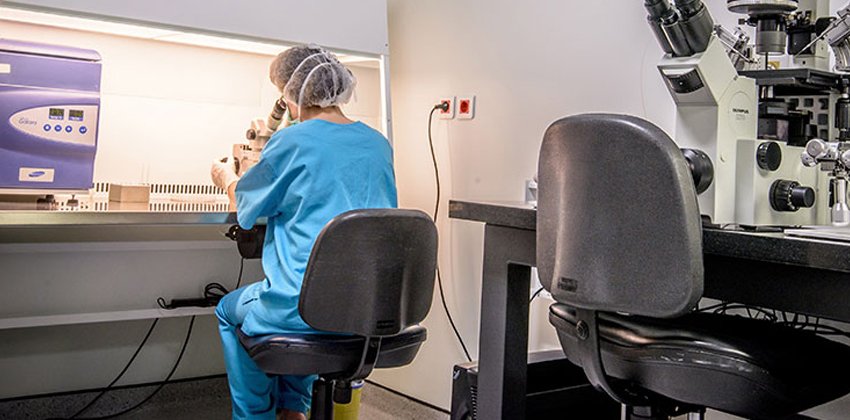
Some of the most error-prone manual work sits between the lab and the chart. In many clinics an embryologist records a result on a bench sheet and someone types it into the patient record later. Every hand-off is a chance for a number to change or a note to go missing. Feeding results from a connected lab management system into the record directly removes the retyping and gives the clinical team a live view instead of a delayed one. It also protects the record from the small gaps that appear when a busy day means the typing waits until tomorrow.
| Task | Done Manually | Once Automated |
|---|---|---|
| Patient intake | Retyped from a paper form | Filled by the patient, flows to the chart |
| Appointment reminders | A morning call list | Sent on schedule by rule |
| Lab results | Typed into the chart later | Posted to the record directly |
| Consent tracking | Checked by memory | Flagged before the procedure |
| Cover for absence | Depends on one person | Any team member can pick it up |
Reducing manual work is not about removing people. It is about pointing them at the work that needs a person. A coordinator who is not retyping forms has time to actually talk to an anxious patient. A nurse who is not copying a whiteboard has attention for the case in front of them. Automation takes the repetitive load so your team can spend its judgement where judgement counts. The clinic also gets steadier, because the routine keeps running on the days someone is out.
Vitrify is built to take the repetitive load off your team and out of any one person's head. Intake, records, reminders, lab results and follow-up run on one connected platform, so the routine work happens by rule and the knowledge lives in the system rather than in a single coordinator's memory. That is what reduces both the hours and the key-person risk at the same time. Book a demo and we will help you spot the manual tasks worth automating first.
It hides in the gaps between systems, in steps a person does by hand because no tool covers them. Common examples are retyping intake forms, copying lab results into the record, chasing unsigned consent and sending reminders one at a time. None looks serious alone but together it consumes a large share of staff hours.
Start where the work is both repetitive and predictable, because those tasks return the most time for the least effort. Data entry like intake and registration is the cleanest place to begin, followed by rule-based reminders and the handoffs between teams. Leave judgement-heavy tasks with your people and support them with better information.
Key-person risk is when a task lives only in one person's routine, so the clinic slows down the moment that person is away. Automation moves the knowledge out of a single head and into a system the whole team can see and follow. The next step is written down and visible rather than carried by whoever happens to be on shift.
No. Reducing manual work is about freeing people from repetitive tasks, not removing them. When the routine runs on its own, coordinators and nurses spend their time on the work that actually needs a person, like guiding an anxious patient or handling a scheduling clash.
Vitrify runs intake, records, reminders, lab results and follow-up on one connected platform, so the routine happens by rule instead of by memory. That cuts the hours spent on repetitive tasks and lowers key-person risk at the same time, because the knowledge sits in the system rather than in one coordinator's head.
Manual work is easy to overlook because it feels like just how the clinic runs. Look closer and it is both a time drain and a risk, because every task carried by hand is a task that depends on one person showing up. Automate the repetitive and predictable parts first and you win back hours and steadiness at once. Vitrify is built to move that routine work into one system so your people can focus on the patients. Book a demo and see where your clinic can start.