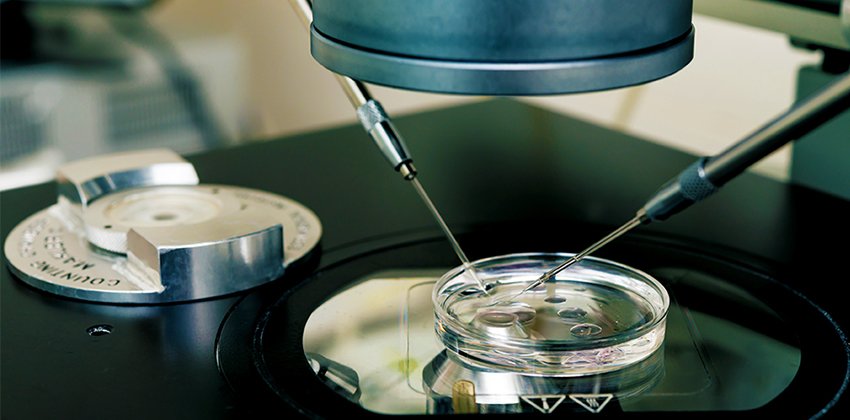
Every sample in an IVF lab belongs to a specific patient. A mix-up is the error a lab can never take back. Technology reduces that risk through electronic witnessing at each match, barcoded labeling, validation at the point of action and a traceable record of every step.
Every embryo, egg and sperm sample in your lab belongs to a specific patient and a single mix-up is the one error a fertility lab can never take back. Most lab mistakes are not dramatic. They are small slips: a mislabeled dish, a sample logged to the wrong cycle or a step done from memory on a busy morning. Technology will not remove human judgment from embryology and it should not. What it can do is catch the routine errors before they reach a patient. This post walks through the specific tools that reduce lab errors and how each one closes a gap that manual work leaves open.
Before you fix anything it helps to name where errors creep in. In a busy embryology lab the risk concentrates at the handoffs, the moments when material changes hands or gets written down. The usual suspects are familiar to anyone who has worked a bench:
Labeling a dish or straw by hand under time pressure
Matching a sample to the right patient at insemination or transfer
Copying a result from a lab notebook into the patient record
Placing a frozen straw into storage and logging its position
Manual double-checks help at each of these but they lean on two people being free at the same moment and never being distracted. That is a lot to ask on a day with fifteen retrievals.
The single biggest safeguard against a mix-up is electronic witnessing. Instead of relying on a colleague to glance over and confirm an ID, the system checks it. Every sample and dish carries a machine-readable tag and the software confirms that the two items in front of you belong to the same patient before you are allowed to proceed. If they do not match it stops you. This matters most at the moments that keep embryologists up at night: insemination, embryo transfer and any step where two patients' materials are near each other on the bench. A witnessing layer inside your lab management system turns the ID check from a favor you ask a busy colleague into a step the software will not let you skip.
Handwritten labels are a quiet source of error. Ink smudges, abbreviations get read two ways and a dish labeled in a hurry looks a lot like the one next to it. Barcoding replaces that with a tag the system generates and reads the same way every time. When a sample is scanned rather than read by eye, the record and the physical item stay locked together from retrieval through to storage. There is no moment where a person has to squint at a marker scrawl and decide whose dish this is.
Not every error is a mix-up. Some are a value entered in the wrong field, a step logged out of order or a reading that falls outside the expected range. Software can check the entry as it happens. If a fertilization count is typed where a grade should go or a timestamp lands before the step that should precede it, the system can flag it on the spot instead of letting it sit in the record until someone notices weeks later. These validation rules act like a second set of eyes on every entry, running quietly in the background.
When something does go wrong (and in any lab something eventually will) you need to be able to reconstruct exactly what happened. A digital audit trail records who did what, to which sample and when, without anyone having to remember to write it down. Every scan, entry and status change is time-stamped and tied to a user. That does two things. It shortens an investigation from days of paper-chasing to a few minutes on screen and it makes staff more careful, because they know the record is complete. Strong traceability is also what helps clinics meet their documentation obligations without extra manual logging.
Cryostorage is where an error can hide for years. A straw placed in the wrong tank position or logged under the wrong patient may not surface until the day it is needed. Barcoded straws and a digital inventory keep the location and the identity of every sample in sync, so a technician always knows what sits in each cane and where a given sample lives. When your cryo and freezing records live in the same system as the rest of the cycle, retrieving the right sample years later is a lookup rather than a hunt.
| Lab Step | Manual Approach | With Technology |
|---|---|---|
| ID check | A second person confirms by eye | Electronic witnessing blocks a mismatch |
| Labeling | Handwritten on the dish | Barcode generated and scanned |
| Data entry | Typed and checked later | Validated the moment it is entered |
| Storage | Logged in a book | Barcoded straw tied to digital inventory |
| Investigation | Days of paper-chasing | Minutes on a time-stamped trail |
None of these tools work in isolation. Witnessing, barcoding and validation are strongest when the lab is part of the same record as the rest of the clinic. When the embryology bench writes to the same chart the clinical team reads, a result does not get transcribed twice and a grade does not sit in a lab notebook waiting to be copied over. That link between the lab and a connected fertility clinic EMR removes a whole class of transcription error that has nothing to do with the bench itself.
Vitrify builds these safeguards into the lab rather than bolting them on. Electronic witnessing, barcoded samples, validated data entry and a full audit trail run inside one lab system that shares a record with the EMR, the cryo inventory and the cycle itself. Because the whole clinic runs on one platform, an ID check on the bench and the patient chart at the front desk are drawing on the same truth. The point is not to replace your embryologists. It is to remove the routine slips that steal their attention, so their skill goes where it is actually needed. If you want to see how the witnessing and traceability work in practice, book a demo.
It can prevent most of them. Electronic witnessing checks that two items on the bench belong to the same patient before a step can proceed and it stops the action if they do not match. That removes reliance on a second person being free and focused at the exact moment. It does not replace clinical judgment but it closes the specific gap where mix-ups happen.
Electronic witnessing is a system that verifies sample identity electronically instead of relying only on a manual second check. Each sample and dish carries a machine-readable tag and the software confirms a match before you continue. If the two do not belong to the same patient the step is blocked. It is used at high-risk moments like insemination and embryo transfer.
Barcoding replaces the error-prone parts of handwritten labeling. A tag is generated by the system and scanned rather than read by eye, so the physical sample and its record stay tied together from retrieval to storage. Staff can still add human-readable text but the identity check runs off the barcode. That removes smudged ink and misread abbreviations as a source of error.
A digital audit trail records who did what to which sample and when, automatically. When you need to investigate, you can reconstruct the exact sequence in minutes instead of searching through paper logs. Every scan, entry and status change is time-stamped and tied to a user. That makes both the investigation and everyday accountability far easier.
Done well it does the opposite. The checks run in the background and only interrupt when something is genuinely wrong, so routine work flows normally. What it removes is the mental load of manual double-checking and the time lost to fixing errors later. Most labs find the safeguards save time once the team is used to them.
You cannot take human skill out of the embryology lab and you should not try. What you can do is stop asking people to be perfect at the routine, repeatable checks that machines do better. Electronic witnessing, barcoding, validation and a complete audit trail catch the mix-ups and slips before they reach a patient, so your team can focus on the work that actually needs their expertise. Vitrify builds these safeguards into a lab system that shares one record with the rest of the clinic. Book a demo and see how it fits the way your lab already works.